

Occipital Nerve Blocks And RFA
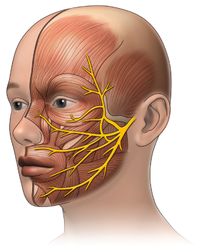
Advanced Treatment for Chronic Headaches and Occipital Neuralgia
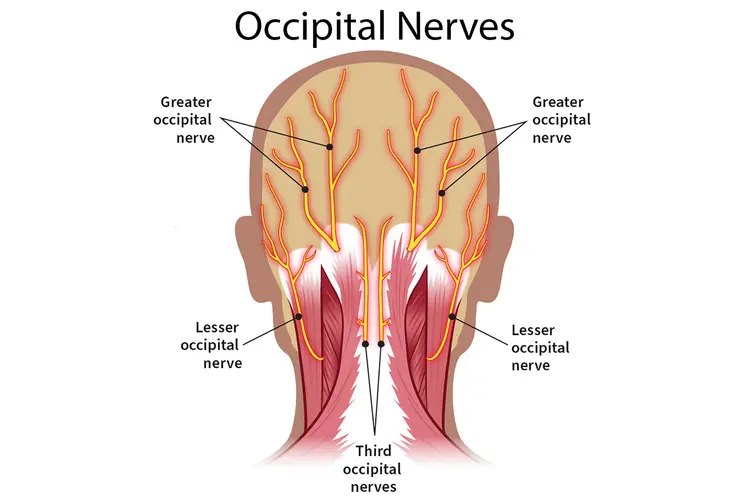
Occipital Nerve Blocks and Radiofrequency Ablation (RFA) are minimally invasive procedures used to diagnose and treat chronic headaches, occipital neuralgia, and pain originating from the nerves at the back of the head. These treatments target the greater, lesser, and third occipital nerves, which can become irritated or inflamed, leading to persistent head and neck pain.
By reducing inflammation and interrupting pain signals, these procedures can provide significant and long-lasting relief for patients suffering from chronic headache disorders.
Indications
Occipital Nerve Blocks and RFA may be recommended for:
- Occipital Neuralgia
- Chronic headaches
- Cervicogenic headaches
- Migraine headaches
- Post-traumatic headaches
- Whiplash-associated headaches
- Upper neck pain radiating to the head
- Scalp tenderness and nerve-related head pain
- Persistent headaches not responding to medications
Understanding Occipital Nerve Pain
The occipital nerves arise from the upper cervical spine and provide sensation to the back and top of the head.
When these nerves become irritated due to injury, inflammation, muscle tightness, arthritis, or cervical spine disorders, patients may experience:
- Sharp, shooting, or burning pain at the back of the head
- Pain radiating toward the scalp, forehead, or behind the eyes
- Scalp tenderness
- Sensitivity to touch
- Neck stiffness and discomfort
Occipital Nerve Block
An Occipital Nerve Block is a diagnostic and therapeutic injection that delivers local anesthetic and anti-inflammatory medication around the affected occipital nerve.
Procedure
- The patient is positioned comfortably in a seated or lying position.
- The treatment area is cleaned using sterile technique.
- The nerve is identified using anatomical landmarks and, when required, ultrasound guidance.
- A small amount of local anesthetic and corticosteroid medication is injected around the nerve.
- The procedure usually takes only a few minutes and is performed on an outpatient basis.
Pain relief following the injection helps confirm that the occipital nerve is the source of symptoms.
Occipital Nerve Radiofrequency Ablation (RFA)
For patients who obtain temporary relief from nerve blocks, Radiofrequency Ablation may provide longer-lasting results.
- The procedure is performed under sterile conditions.
- Local anesthesia is administered.
- A specialized radiofrequency needle is positioned near the targeted occipital nerve using image guidance when necessary.
- Sensory stimulation testing helps confirm accurate placement.
- Controlled radiofrequency energy is delivered to interrupt pain transmission from the nerve.
- The procedure is completed on an outpatient basis and usually takes 30–45 minutes.
Benefits
- Significant reduction in headache frequency and intensity
- Long-lasting pain relief
- Improved quality of life
- Reduced dependence on pain medications
- Minimally invasive outpatient treatment
- Quick recovery with minimal downtime
- Improved neck mobility and daily function
Recovery and Results
- Mild soreness at the treatment site may occur for a few days.
- Temporary numbness of the scalp is possible.
- Pain relief from nerve blocks may be immediate.
- Radiofrequency Ablation results typically develop over 2–6 weeks.
- Pain relief may last several months to over a year depending on the individual condition.
Patients are observed briefly after the procedure and discharged on the same day.
Special Instructions
Before the Procedure
- Inform your doctor about all medications and medical conditions.
- Blood-thinning medications may require temporary adjustment.
- Follow fasting instructions if sedation is planned.
- Arrange transportation if advised by your physician.
After the Procedure
- Rest for the remainder of the day.
- Avoid strenuous activities for 24 hours.
- Keep the injection site clean and dry.
- Apply ice packs if mild soreness develops.
- Resume normal activities as recommended by your physician.
Possible Side Effects and Complications
Occipital Nerve Blocks and RFA are generally safe procedures when performed by experienced pain specialists.
Common Temporary Effects
- Mild pain at the injection site
- Bruising or swelling
- Temporary scalp numbness
- Dizziness or lightheadedness
- Mild headache after the procedure
Rare Complications
- Infection
- Bleeding
- Allergic reaction to medications
- Nerve irritation
- Temporary worsening of symptoms
- Hair thinning or skin changes at the injection site following repeated steroid injections
Serious complications are rare, and every precaution is taken to ensure patient safety.
Why Choose Dr. Anurag Aggarwal?
Dr. Anurag Aggarwal is an experienced Interventional Pain Specialist specializing in advanced headache and nerve pain treatments. Using precise diagnostic techniques and minimally invasive procedures, he helps patients achieve long-term relief from chronic headaches and occipital neuralgia without major surgery.
Book an Appointment
If you are suffering from chronic headaches, occipital neuralgia, or persistent pain at the back of the head and neck, consult Dr. Anurag Aggarwal to determine whether Occipital Nerve Blocks or Radiofrequency Ablation can help restore your comfort and quality of life.