

Stellate Ganglion Blocks And RFA
Advanced Treatment for Chronic Pain and Circulatory Disorders of the Head, Neck, and Upper Limbs
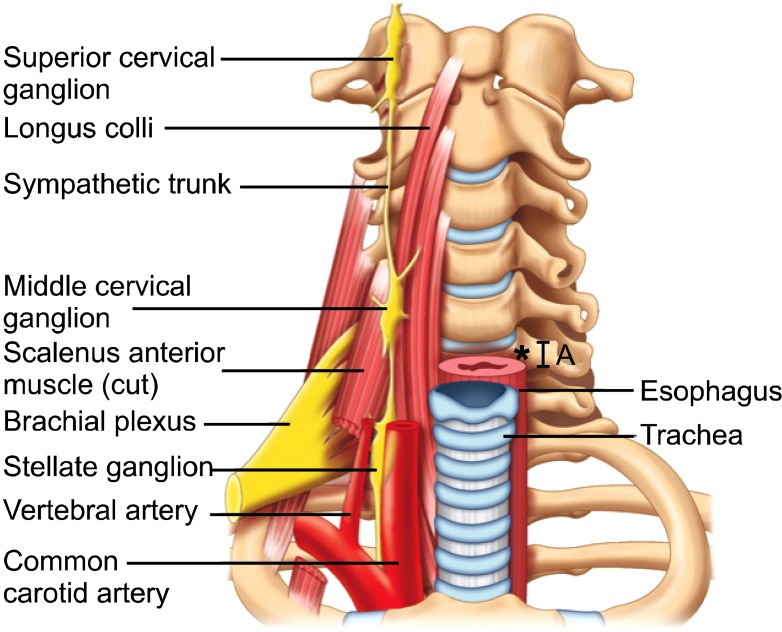
A Stellate Ganglion Block (SGB) is a specialized pain management procedure that targets the stellate ganglion, a collection of sympathetic nerves located in the lower neck. These nerves influence pain transmission, blood flow, sweating, and other autonomic functions of the head, neck, upper chest, and upper extremities.
When conservative treatments fail, Stellate Ganglion Block and Radiofrequency Ablation (RFA) can provide significant relief for various chronic pain conditions and vascular disorders.
Indications
Stellate Ganglion Block and RFA may be recommended for:
- Complex Regional Pain Syndrome (CRPS) Type I and II
- Reflex Sympathetic Dystrophy (RSD)
- Post-Herpetic Neuralgia
- Herpes Zoster (Shingles)
- Facial Pain Syndromes
- Phantom Limb Pain
- Raynaud’s Disease and Raynaud’s Phenomenon
- Upper Limb Ischemia
- Shoulder-Hand Syndrome
- Peripheral Vascular Insufficiency
- Craniofacial Hyperhidrosis (Excessive Sweating)
- Intractable Angina
- Sympathetically Maintained Pain Disorders
How the Procedure Works
The stellate ganglion is part of the sympathetic nervous system. In certain pain conditions, excessive sympathetic nerve activity can contribute to ongoing pain, abnormal blood flow, temperature changes, and swelling.
By blocking or selectively ablating these nerves, the procedure can:
- Interrupt pain signals
- Improve blood circulation
- Reduce nerve hypersensitivity
- Improve limb temperature and blood flow
- Enhance function and mobility
- Reduce symptoms associated with autonomic dysfunction
Procedure
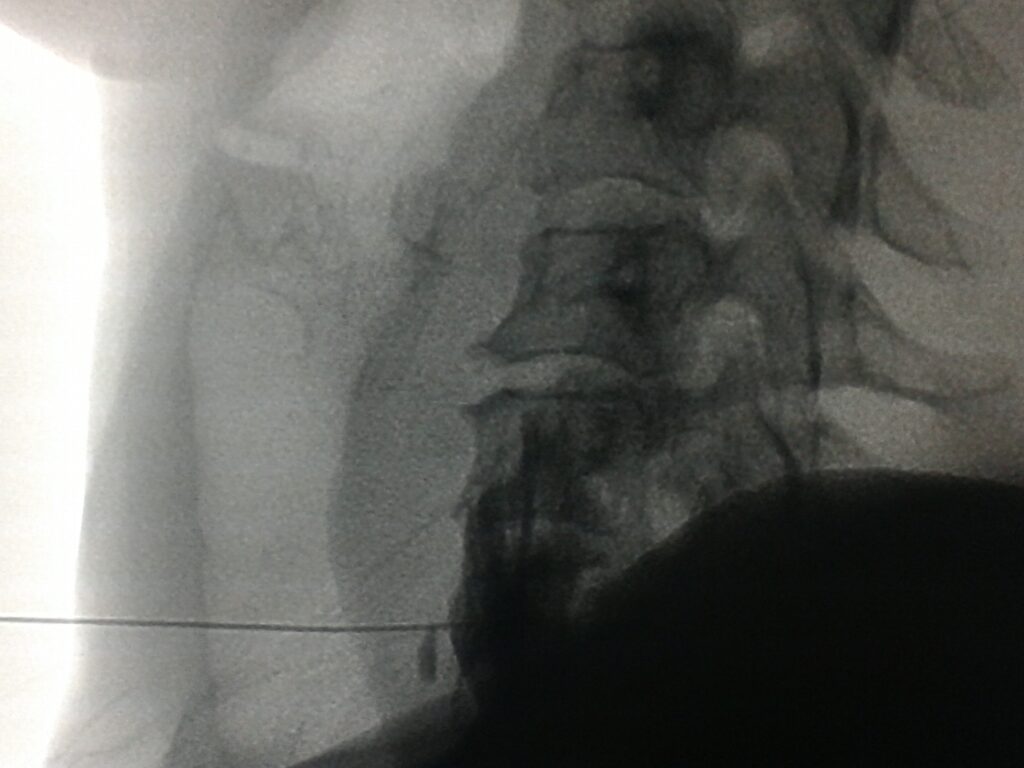
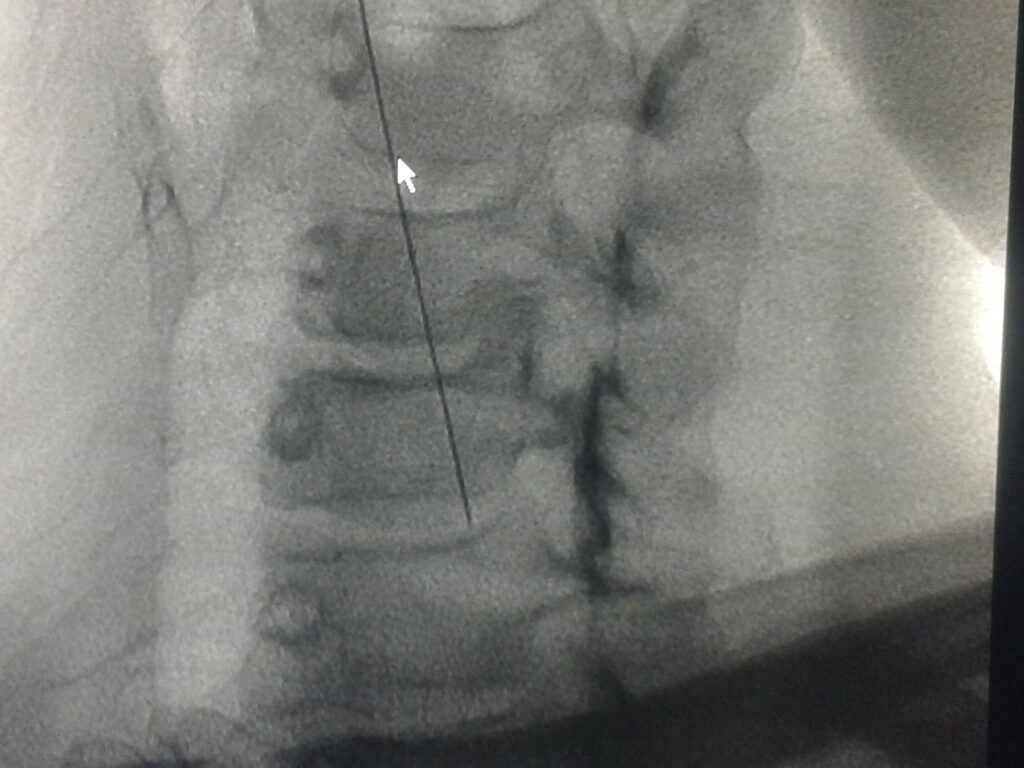
The procedure is performed under fluoroscopic (real-time X-ray) or ultrasound guidance to ensure precise needle placement.
During the Procedure
- An intravenous (IV) line is established.
- Vital signs are continuously monitored.
- The patient lies comfortably on the procedure table.
- The skin over the neck is cleaned and prepared using sterile techniques.
- Local anesthetic is administered to numb the treatment area.
- Using image guidance, a fine needle is carefully positioned near the stellate ganglion.
- Contrast dye may be injected to confirm accurate placement.
- Local anesthetic, medication, or radiofrequency treatment is then delivered.
The procedure typically takes 20–30 minutes and is performed on an outpatient basis.
Radiofrequency Ablation (RFA)
For patients who obtain temporary relief from diagnostic stellate ganglion blocks, Radiofrequency Ablation may provide longer-lasting results.
Radiofrequency energy is applied to selected sympathetic nerve fibers to interrupt pain transmission while minimizing damage to surrounding tissues.
Benefits of RFA
- Longer-lasting pain relief
- Reduced need for repeated injections
- Improved blood flow and circulation
- Better management of chronic pain conditions
Benefits
- Minimally invasive treatment
- Improved circulation to the affected limb
- Reduction in chronic pain
- Relief from burning and neuropathic pain
- Improved limb function
- Enhanced quality of life
- Outpatient procedure with rapid recovery
Risks and Complications
Although generally very safe, potential risks include:
- Temporary pain or swelling
- Bleeding at the injection site
- Infection
- Allergic reaction to medication
- Injury to nearby structures
- Septic arthritis (rare)
Special Instructions
Before the Procedure
- Inform your doctor about all medications and medical conditions.
- Blood-thinning medications may need to be temporarily discontinued.
- Notify your physician if you have fever, active infection, or recent illness.
- Follow fasting instructions if sedation is planned.
- Arrange transportation home after the procedure.
After the Procedure
- Rest for the remainder of the day.
- Avoid strenuous activities for 24 hours.
- Resume medications as advised by your physician.
- Attend follow-up appointments for assessment and further treatment planning.
Recovery
Following the procedure, patients may temporarily experience:
- Warmth in the affected arm or hand
- Improved blood circulation
- Mild neck soreness
- Temporary voice changes
- Nasal congestion
- Drooping of the eyelid (Horner’s syndrome), which usually resolves within a few hours
These temporary effects often indicate a successful sympathetic block.
Side Effects and Complications
Stellate Ganglion Block and RFA are generally safe procedures when performed by experienced specialists.
Common Temporary Effects
- Hoarseness of voice
- Drooping eyelid
- Nasal congestion
- Bloodshot eye
- Increased warmth of the arm or face
- Mild tenderness at the injection site
Rare Complications
- Bleeding
- Infection
- Allergic reaction to medications
- Pneumothorax (collapsed lung)
- Seizure due to accidental intravascular injection
- Brachial plexus block
- Epidural or spinal injection
- Nerve injury
Serious complications are uncommon due to the use of advanced image-guided techniques.
Why Choose Dr. Anurag Aggarwal?
Dr. Anurag Aggarwal is a highly experienced Interventional Pain Specialist with expertise in sympathetic nerve blocks, radiofrequency procedures, and advanced pain management interventions. His patient-focused approach combines precision-guided techniques with evidence-based care to achieve optimal outcomes.
Book an Appointment
If you suffer from CRPS, chronic neuropathic pain, Raynaud’s disease, facial pain, or circulation-related disorders, consult Dr. Anurag Aggarwal to determine whether Stellate Ganglion Block or Radiofrequency Ablation can help improve your symptoms and quality of life.