

Lumbar Sympathectomy For Lower Limb Ischemia & CRPS
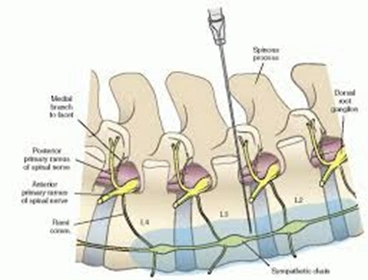
Advanced Sympathetic Nerve Treatment for Chronic Leg Pain and Circulatory Disorders
Lumbar Sympathectomy is a specialized interventional pain management procedure used to improve blood circulation and reduce chronic pain in the lower extremities. The treatment targets the lumbar sympathetic chain, a network of nerves located along the lumbar spine that regulates blood flow, sweating, and pain transmission in the legs and feet.
Using either chemical neurolysis or radiofrequency ablation (RFA), these nerves can be selectively interrupted to improve circulation, relieve pain, and enhance healing in patients suffering from vascular and neuropathic conditions.
Indications
Lumbar Sympathectomy may be recommended for:
- Complex Regional Pain Syndrome (CRPS)
- Lower Limb Ischemia
- Peripheral Arterial Disease
- Buerger’s Disease (Thromboangiitis Obliterans)
- Chronic Neuropathic Leg Pain
- Painful Vascular Insufficiency
- Non-Healing Foot and Leg Ulcers
- Diabetic Ischemic Foot Pain
- Vasospastic Disorders of the Lower Limbs
- Hyperhidrosis (Excessive Sweating) of the Feet
How the Procedure Works
The sympathetic nerves influence blood vessel constriction and pain signaling in the lower limbs. In certain conditions, excessive sympathetic activity reduces blood flow and contributes to persistent pain.
By blocking or ablating these nerves, Lumbar Sympathectomy helps:
- Increase blood flow to the legs and feet
- Reduce ischemic pain
- Improve skin temperature and circulation
- Promote healing of ulcers and wounds
- Reduce burning and neuropathic pain
- Improve walking ability and daily functio
Procedure
The procedure is performed under fluoroscopic (real-time X-ray) guidance to ensure precise needle placement.
During the Procedure
- The patient is positioned comfortably on the procedure table.
- An intravenous (IV) line is established for medication administration.
- Vital signs are continuously monitored.
- The skin over the lower back is cleaned and prepared using sterile techniques.
- Local anesthetic is administered to numb the treatment area.
- Under fluoroscopic guidance, a specialized needle is advanced to the lumbar sympathetic chain.
- Contrast dye may be injected to confirm accurate placement.
- Depending on the treatment plan, a local anesthetic block, chemical neurolysis, or radiofrequency ablation is performed.
Radiofrequency Ablation (RFA)
Radiofrequency Ablation uses controlled thermal energy to interrupt sympathetic nerve transmission while minimizing damage to surrounding tissues.
Benefits of RFA
- Longer-lasting pain relief
- Improved lower limb circulation
- Better wound healing
- Reduced medication requirements
- Enhanced mobility and function
Benefits
- Minimally invasive treatment
- Improved blood circulation
- Reduced chronic leg and foot pain
- Enhanced healing of ischemic ulcers
- Improved walking distance and activity levels
- Same-day discharge in most cases
- Reduced need for surgical intervention
Special Instructions
Before the Procedure
- Inform your doctor about all medications and medical conditions.
- Blood-thinning medications may need temporary adjustment.
- Follow fasting instructions if sedation is planned.
- Continue routine medications only as advised.
- Arrange transportation home after the procedure.
After the Procedure
- Rest for the remainder of the day.
- Avoid strenuous physical activity for 24–48 hours.
- Maintain adequate hydration.
- Monitor the injection site for redness or swelling.
- Attend scheduled follow-up appointments.
Recovery
Most patients return home the same day.
Following the procedure, patients may notice:
- Increased warmth in the treated leg or foot
- Improved skin color and circulation
- Reduced pain intensity
- Better mobility and walking tolerance
- Gradual healing of ulcers and ischemic wounds
Recovery and response vary depending on the severity of the underlying vascular or pain condition.
Side Effects and Complications
Lumbar Sympathectomy is generally safe when performed by experienced interventional pain specialists.
Common Temporary Effects
- Mild soreness at the injection site
- Bruising
- Temporary numbness
- Local tenderness
- Mild back discomfort
Rare Complications
- Bleeding or hematoma formation
- Infection
- Allergic reaction to medications or contrast dye
- Injury to nearby nerves or blood vessels
- Temporary weakness in the leg
- Urinary retention
- Persistent thigh discomfort
Serious complications are uncommon due to the use of advanced imaging guidance and sterile procedural techniques.
Why Choose Dr. Anurag Aggarwal?
Dr. Anurag Aggarwal is a highly experienced Interventional Pain Specialist with expertise in sympathetic nerve blocks, radiofrequency procedures, and advanced pain management interventions. His patient-centered approach focuses on restoring function, improving circulation, and enhancing quality of life through evidence-based treatments.
Book an Appointment
If you suffer from CRPS, lower limb ischemia, vascular pain, or non-healing foot ulcers, consult Dr. Anurag Aggarwal to learn whether Lumbar Sympathectomy or Radiofrequency Ablation may be an effective treatment option for you.