

PRP Therapy
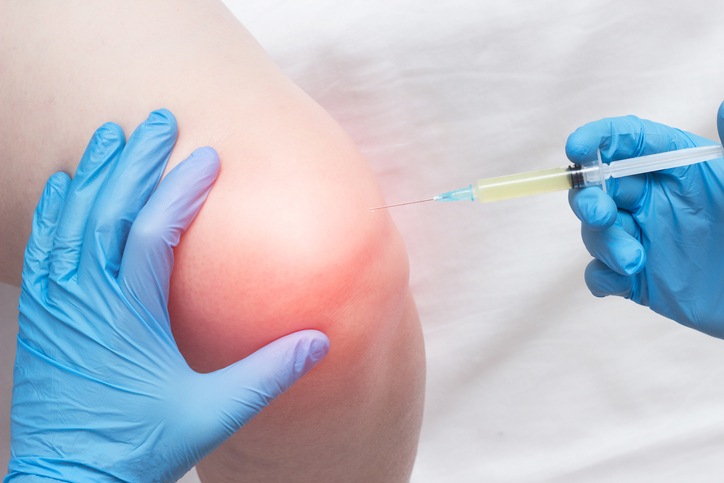
Harnessing Your Body's Natural Healing Power
Platelet-Rich Plasma (PRP) Therapy is an advanced regenerative treatment that utilizes the body’s own healing mechanisms to repair damaged tissues, reduce pain, and accelerate recovery. By concentrating growth-factor-rich platelets from a patient’s blood and injecting them into the injured area, PRP promotes tissue regeneration and supports long-term healing.
PRP has become a popular treatment option for patients seeking a natural, minimally invasive alternative to surgery for chronic joint, tendon, ligament, and muscle injuries.
Indications
PRP Therapy may be beneficial for:
- Knee Osteoarthritis
- Hip Osteoarthritis
- Rotator Cuff Injuries
- Tennis Elbow (Lateral Epicondylitis)
- Golfer’s Elbow
- Achilles Tendon Injuries
- Plantar Fasciitis
- Patellar Tendinopathy (Jumper’s Knee)
- Hamstring and Quadriceps Injuries
- Ligament Sprains
- Tendon Tears (Partial Thickness)
- Sports Injuries
- Chronic Joint Pain
- Soft Tissue Injuries
How PRP Works
Platelets are specialized blood cells that contain powerful growth factors responsible for tissue repair and regeneration. When concentrated and delivered directly to an injured area, these growth factors stimulate:
- Cellular repair and regeneration
- Collagen production
- New blood vessel formation
- Reduction of inflammation
- Acceleration of tissue healing
- Strengthening of tendons and ligaments
Because PRP is prepared from the patient’s own blood, the risk of allergic reactions or rejection is extremely low.Because PRP is prepared from the patient’s own blood, the risk of allergic reactions or rejection is extremely low.
Procedure
PRP Therapy is performed as a simple outpatient procedure and typically takes less than two hours.
Step 1: Blood Collection
A small amount of blood is drawn from the patient’s arm, similar to a routine blood test.
Step 2: Platelet Concentration
The blood sample is processed in a specialized centrifuge that separates platelets from other blood components.
Step 3: PRP Preparation
The concentrated platelet-rich plasma is collected and prepared for injection.
Step 4: Precision-Guided Injection
Using ultrasound guidance, the PRP is injected directly into the injured tendon, ligament, muscle, or joint to ensure accurate placement and maximum therapeutic benefit.
Benefits of PRP Therapy
- Utilizes the body’s natural healing process
- Minimally invasive treatment
- No surgery required
- Reduced recovery time
- Improves tissue repair and regeneration
- May delay or prevent surgery
- Low risk of adverse reactions
- Suitable for sports injuries and chronic musculoskeletal conditions
Preparation Before Treatment
To maximize the effectiveness of PRP Therapy:
- Avoid anti-inflammatory medications (NSAIDs) such as Ibuprofen or Naproxen for several days before treatment, as advised by your doctor.
- Stay well hydrated before the procedure.
- Inform your physician about all medications and medical conditions.
- Eat a light meal before the procedure unless instructed otherwise.
Recovery After PRP Therapy
Recovery is generally straightforward and allows most patients to return home shortly after treatment.
Following the procedure:
- Mild swelling, tenderness, or discomfort at the injection site is normal.
- Avoid strenuous activity involving the treated area for several days.
- Follow the rehabilitation program recommended by your physician.
- Gradual improvement typically occurs over several weeks as healing progresses.
Unlike steroid injections, PRP is designed to promote long-term tissue healing rather than simply suppress symptoms.
Side Effects and Complications
PRP Therapy is considered very safe because it uses the patient’s own blood components.
Common Temporary Effects
- Mild pain at the injection site
- Swelling
- Bruising
- Temporary stiffness
- Local tenderness
Rare Complications
- Infection
- Bleeding
- Nerve irritation
- Injury to surrounding structures
Serious complications are uncommon when the procedure is performed under proper sterile conditions.
Important Considerations
PRP is not an instant pain-relief treatment. The regenerative process requires time, and most patients begin noticing improvement gradually over several weeks to months as the body repairs damaged tissues.
Patience and adherence to post-procedure rehabilitation play a crucial role in achieving the best possible outcome.
The full benefits of Radiofrequency Ablation may take several weeks to develop, with many patients experiencing significant relief for months or even years.
Why Choose Dr. Anurag Aggarwal?
Dr. Anurag Aggarwal specializes in advanced regenerative pain management techniques, including ultrasound-guided PRP Therapy. His expertise in treating chronic musculoskeletal and sports-related injuries helps patients recover naturally while avoiding unnecessary surgery whenever possible.
Book an Appointment
If chronic joint pain, tendon injuries, or sports-related problems are affecting your quality of life, consult Dr. Anurag Aggarwal to discover whether PRP Therapy can help accelerate your recovery and restore function.