

T2-T3 Ganglion Neurolysis For Upper Limb Ischemia And CRPS
Advanced Sympathetic Nerve Intervention for Chronic Pain and Vascular Disorders
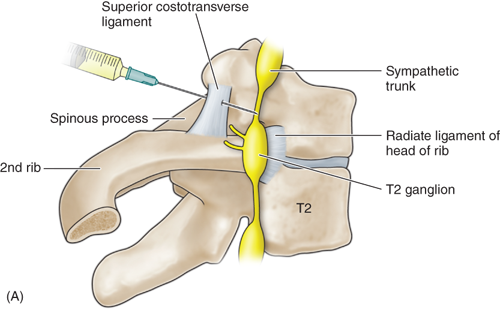
T2–T3 Ganglion Neurolysis is a specialized interventional pain management procedure used to treat certain chronic pain conditions and vascular disorders affecting the upper limbs. The procedure targets the thoracic sympathetic ganglia located near the T2 and T3 vertebral levels, interrupting abnormal pain signals and improving blood circulation to the affected arm or hand.
This minimally invasive treatment can provide significant pain relief and improved function in carefully selected patients.
Indications
T2–T3 Ganglion Neurolysis may be recommended for:
- Complex Regional Pain Syndrome (CRPS) Type I and II
- Upper Limb Ischemia
- Herpes Zoster (Shingles)
- Early Postherpetic Neuralgia
- Post-Radiation Neuritis
- Neuropathic Pain Associated with Central Nervous System Disorders
- Phantom Limb Pain
- Refractory Angina Pectoris
How the Procedure Works
The thoracic sympathetic nervous system plays an important role in regulating blood flow, sweating, and pain transmission in the upper extremities. By selectively blocking or destroying portions of the sympathetic ganglion, abnormal pain pathways can be interrupted while improving circulation to the affected limb.
The procedure may be performed as:
- Diagnostic Sympathetic Block
- Therapeutic Sympathetic Block
- Chemical Neurolysis
- Radiofrequency Neurolysis
Procedure
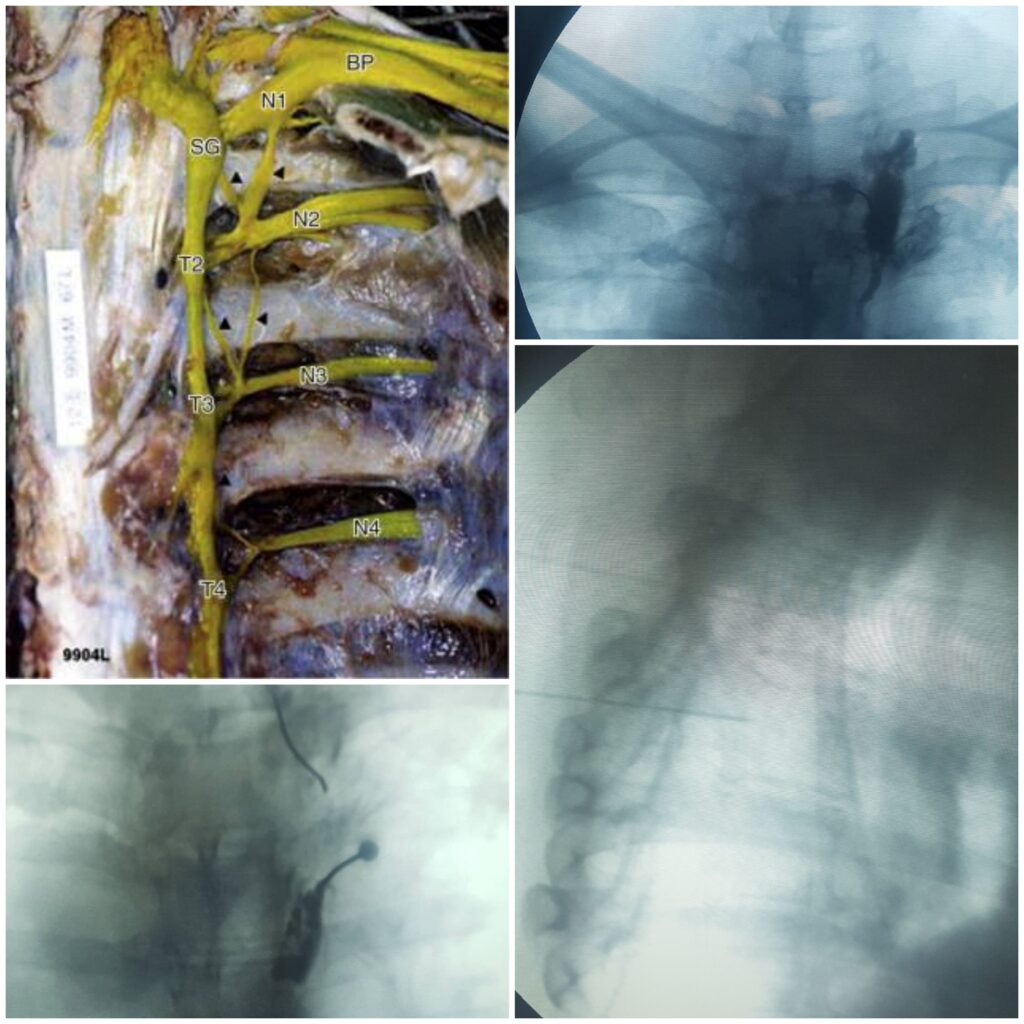
The procedure is performed under fluoroscopic (real-time X-ray) guidance to ensure precise needle placement.
During the Procedure
- An intravenous line is established for medication administration.
- Vital signs are continuously monitored throughout the procedure.
- The patient is positioned comfortably on the procedure table.
- The skin is cleaned and prepared using sterile techniques.
- Local anesthetic and mild sedation may be administered.
- Using fluoroscopic guidance, a specialized needle is advanced to the T2–T3 sympathetic ganglion region.
- Contrast dye may be injected to confirm proper needle placement.
- A diagnostic block, steroid injection, neurolytic agent, or radiofrequency treatment may then be administered depending on the clinical indication.
The procedure generally takes 30–60 minutes and is performed as a day-care treatment.
Book an Appointment
If shoulder pain is limiting your daily activities, consult Dr. Anurag Aggarwal to explore whether an image-guided shoulder injection can help restore comfort and movement.
- The patient is positioned comfortably on the procedure table.
- The skin is cleaned and numbed using a local anesthetic.
- Under fluoroscopic (X-ray) guidance, a needle is precisely placed near the targeted cervical facet nerve.
- A combination of local anesthetic and corticosteroid medication is injected.
- If significant pain relief occurs, it confirms that the treated nerve is the source of pain.
Benefits
- Relief of chronic upper limb pain
- Improved blood circulation
- Reduction in burning and neuropathic pain
- Improved limb function
- Better tolerance of rehabilitation therapy
- Minimally invasive treatment option
- Potential reduction in medication requirements
Recovery
Most patients are observed for a short period after the procedure and discharged the same day.
Patients may experience:
- Temporary warmth in the affected arm
- Improved blood flow
- Reduction in pain intensity
- Gradual improvement in function over days to weeks
Follow-up evaluation is important to assess treatment effectiveness and determine whether additional procedures are required.
Special Instructions
Before the Procedure
- Inform your physician about all medications and medical conditions.
- Blood-thinning medications may need temporary adjustment.
- Follow fasting instructions if sedation is planned.
- Arrange transportation home after the procedure.
After the Procedure
- Rest for the remainder of the day.
- Avoid strenuous activities for 24 hours.
- Monitor the injection site for unusual swelling or redness.
- Attend scheduled follow-up appointments.
Side Effects and Complications
Although uncommon, potential complications may include:
- Temporary soreness at the injection site
- Intercostal nerve irritation
- Bleeding or bruising
- Infection
- Pneumothorax (collapsed lung)
- Injury to nearby blood vessels
- Temporary numbness or weakness
- Allergic reaction to medications or contrast dye
Serious complications are rare when the procedure is performed under expert image guidance and sterile conditions.
Why Choose Dr. Anurag Aggarwal?
Dr. Anurag Aggarwal is an experienced Interventional Pain Specialist with expertise in advanced sympathetic nerve blocks and neurolytic procedures. Using state-of-the-art imaging guidance and evidence-based techniques, he provides personalized treatment plans for complex pain syndromes and vascular pain conditions.
Book an Appointment
If you suffer from CRPS, upper limb ischemia, neuropathic pain, or persistent upper extremity pain that has not responded to conventional treatment, consult Dr. Anurag Aggarwal to learn whether T2–T3 Ganglion Neurolysis may be an effective treatment option for you.