

Sacroiliac Joint Blocks And RFA
Effective Treatment for Lower Back, Hip, and Pelvic Pain
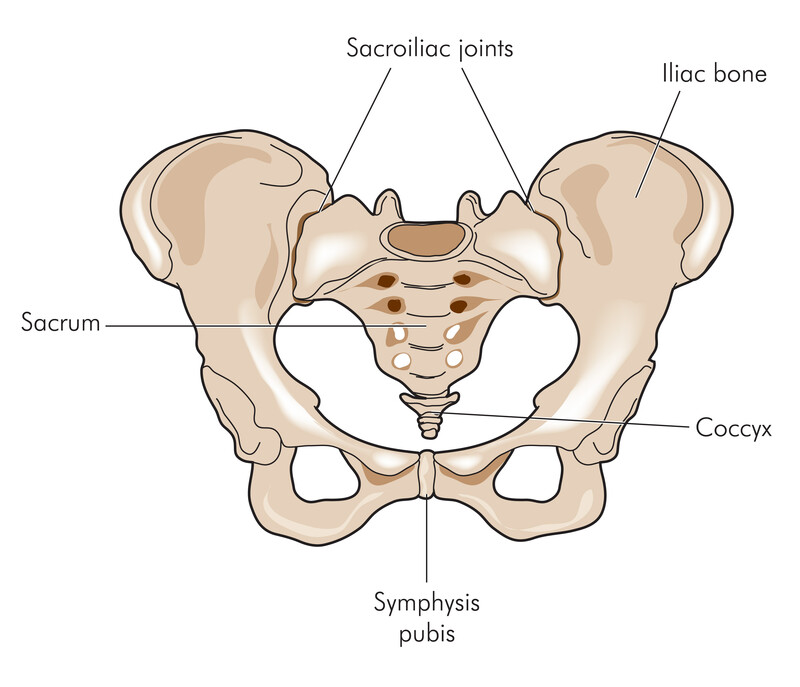
Sacroiliac (SI) Joint Blocks and Radiofrequency Ablation (RFA) are advanced, minimally invasive procedures used to diagnose and treat pain originating from the sacroiliac joints. These joints connect the sacrum (base of the spine) to the pelvis and play an important role in transferring weight and movement between the upper body and lower limbs.
When the sacroiliac joint becomes inflamed, arthritic, or dysfunctional, it can cause persistent lower back, buttock, hip, groin, and leg pain. SI Joint Blocks and RFA provide targeted pain relief while helping identify the exact source of symptoms.
Indications
Sacroiliac Joint Blocks and RFA may be recommended for:
- Sacroiliitis
- Degenerative Sacroiliac Joint Disease
- Sacroiliac Joint Dysfunction
- Chronic lower back pain
- Buttock pain
- Hip and groin pain
- Pain after spinal surgery
- Pain aggravated by prolonged sitting, standing, or walking
- Persistent pain not responding to medications or physiotherapy
Understanding Sacroiliac Joint Pain
The sacroiliac joints are located on either side of the lower spine where the sacrum meets the pelvic bones. Inflammation, arthritis, injury, pregnancy-related changes, or abnormal joint movement can irritate these joints and cause pain.
Common symptoms include:
- Pain in the lower back
- Pain in the buttocks
- Hip or groin discomfort
- Pain radiating into the thigh
- Stiffness while standing or walking
- Difficulty sitting for prolonged periods
Sacroiliac Joint Block
An SI Joint Block can be performed for both diagnostic and therapeutic purposes.
Diagnostic Block
A diagnostic injection helps determine whether the sacroiliac joint is the primary source of pain. Significant temporary pain relief following the injection confirms the diagnosis.
Therapeutic Block
A therapeutic injection delivers corticosteroid medication directly into the joint to reduce inflammation and provide longer-lasting pain relief.
Procedure
The procedure is performed under fluoroscopic (real-time X-ray) guidance to ensure precise needle placement.
During the Procedure
- The patient lies comfortably on the procedure table.
- The treatment area is cleaned using sterile techniques.
- Local anesthesia is administered to numb the skin.
- Under fluoroscopic guidance, a fine needle is carefully advanced into the sacroiliac joint.
- Contrast dye may be injected to confirm accurate positioning.
- A combination of local anesthetic and corticosteroid medication is injected into the joint.
- The procedure typically takes 15–30 minutes and is performed on an outpatient basis.
Sacroiliac Joint Radiofrequency Ablation (RFA)
For patients who experience significant but temporary relief from SI Joint Blocks, Radiofrequency Ablation may provide longer-lasting results.
Procedure
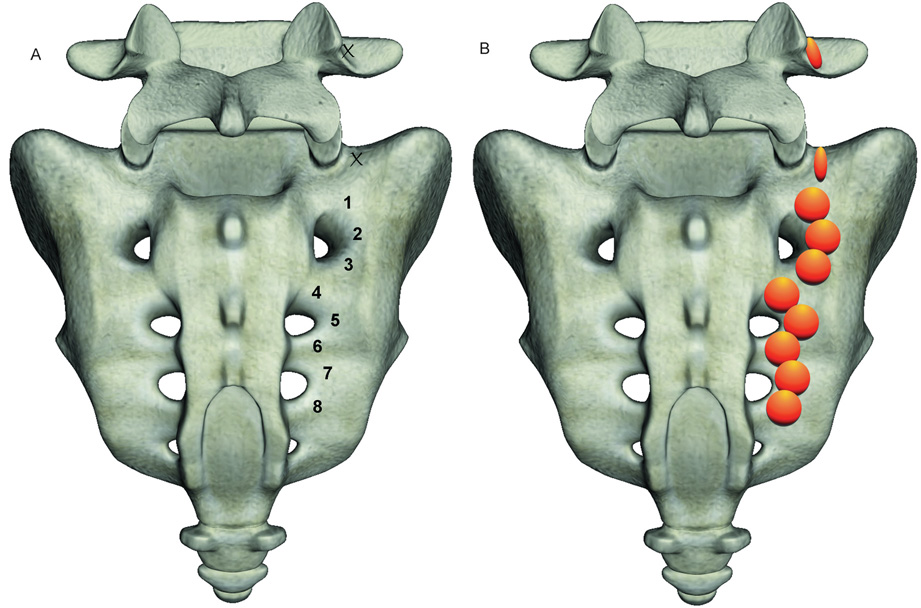
- Specialized radiofrequency needles are positioned near the sensory nerves supplying the sacroiliac joint.
- Image guidance is used for precise targeting.
- Controlled radiofrequency energy is delivered to interrupt pain signals from the joint.
- The procedure is minimally invasive and performed as a day-care treatment.
Pain relief from RFA may last several months to over a year in suitable candidates.
Benefits
- Accurate diagnosis of SI joint pain
- Significant reduction in lower back and buttock pain
- Improved mobility and function
- Reduced inflammation
- Reduced dependence on pain medications
- Minimally invasive outpatient treatment
- Long-lasting relief with Radiofrequency Ablation
Recovery and Results
- Mild soreness at the injection site may occur for 1–2 days.
- Pain relief from local anesthetic may be immediate.
- Steroid medication typically begins working within a few days.
- Improvement may continue for several weeks.
- Most patients return to normal activities within 24–48 hours.
- Physical therapy and rehabilitation exercises may improve long-term outcomes.
Special Instructions
Before the Procedure
- Inform your doctor about all medications and medical conditions.
- Blood-thinning medications may require temporary adjustment.
- Follow fasting instructions if sedation is planned.
- Arrange transportation if advised by your physician.
After the Procedure
- Rest on the day of the procedure.
- Avoid strenuous activities for 24 hours.
- Keep the injection site clean and dry.
- Apply ice packs if mild soreness occurs.
- Resume normal activities as advised by your physician.
Possible Side Effects and Complications
SI Joint Blocks and RFA are generally safe when performed by experienced pain specialists.
Common Temporary Effects
- Mild pain at the injection site
- Bruising or swelling
- Temporary numbness
- Temporary increase in pain
Steroid-Related Side Effects
- Increased thirst
- Temporary rise in blood sugar levels
- Facial flushing
- Fluid retention
- Sleep disturbances
Diabetic patients should monitor blood glucose levels closely after steroid injections.
Rare Complications
- Infection
- Bleeding
- Allergic reaction to medications
- Nerve irritation
- Injury to nearby structures
Why Choose Dr. Anurag Aggarwal?
Dr. Anurag Aggarwal is a highly experienced Interventional Pain Specialist specializing in advanced image-guided spine and joint pain procedures. His expertise in diagnosing and treating sacroiliac joint disorders helps patients achieve lasting pain relief and improved quality of life without major surgery.
Book an Appointment
If you are experiencing persistent lower back, buttock, hip, or pelvic pain, consult Dr. Anurag Aggarwal to determine whether Sacroiliac Joint Blocks or Radiofrequency Ablation can help restore your mobility and comfort.