

Third Occipital Nerve Blocks And RFA
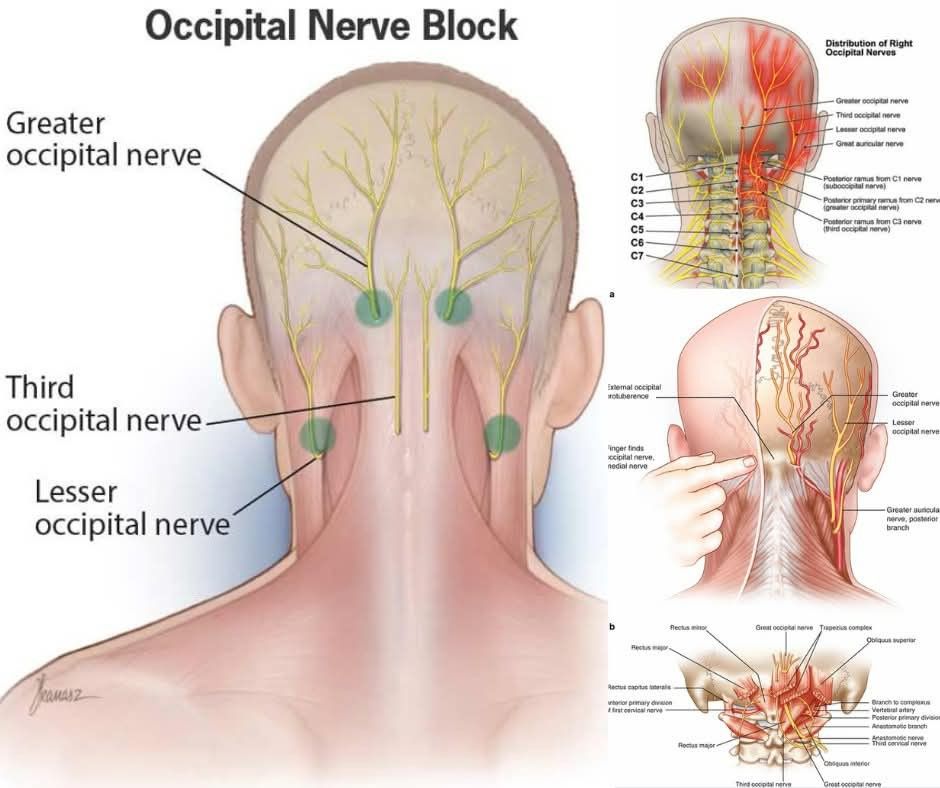
Effective Treatment for Chronic Neck Pain and Cervicogenic Headaches
Third Occipital Nerve Block and Radiofrequency Ablation (RFA) are advanced, minimally invasive pain management procedures used to diagnose and treat chronic upper neck pain and cervicogenic headaches. These conditions often arise from the C2-C3 facet joint, a common source of pain in the upper cervical spine.
The Third Occipital Nerve carries pain signals from the C2-C3 facet joint to the brain. By blocking or treating this nerve, significant and long-lasting pain relief can be achieved.
Indications
Third Occipital Nerve Block and RFA may be recommended for:
- Chronic neck pain
- Cervicogenic headaches
- Occipital headaches
- Upper cervical facet joint arthritis
- C2-C3 facet joint pain
- Neck pain following whiplash injury
- Chronic headaches originating from the neck
- Persistent pain not responding to medications or physiotherapy
Understanding the Third Occipital Nerve
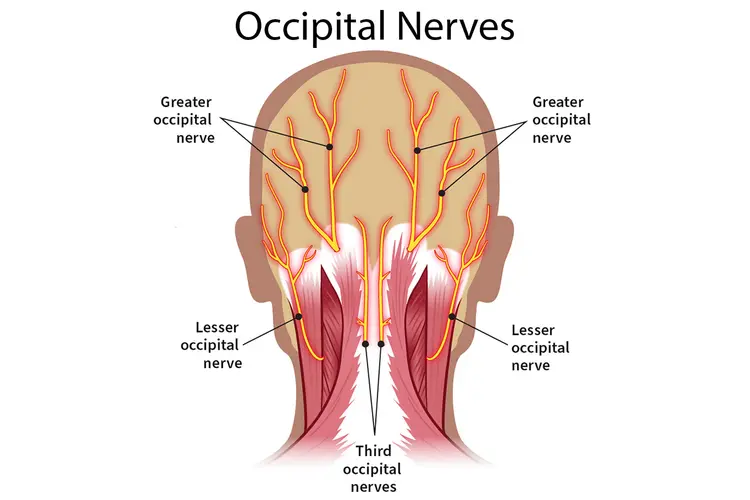
The Third Occipital Nerve is a branch of the C3 spinal nerve and provides sensation to the C2-C3 facet joint and portions of the back of the head.
When the C2-C3 facet joint becomes inflamed, arthritic, or injured, pain may radiate into the upper neck, base of the skull, and head, causing cervicogenic headaches. Treating this nerve can effectively reduce pain and improve daily function.
Third Occipital Nerve Block
A Third Occipital Nerve Block is a diagnostic and therapeutic injection used to determine whether the nerve is the source of pain.
Procedure
- The patient is positioned comfortably on the procedure table.
- The skin is cleaned and sterilized.
- Local anesthesia is applied.
- Using fluoroscopic (real-time X-ray) guidance, a fine needle is positioned near the Third Occipital Nerve.
- A small amount of local anesthetic, often combined with steroid medication, is injected.
- Pain relief following the injection helps confirm the diagnosis.
If significant pain relief is achieved, the patient may be a suitable candidate for Radiofrequency Ablation.
- The patient is positioned comfortably on the procedure table.
- The skin is cleaned and numbed using a local anesthetic.
- Under fluoroscopic (X-ray) guidance, a needle is precisely placed near the targeted cervical facet nerve.
- A combination of local anesthetic and corticosteroid medication is injected.
- If significant pain relief occurs, it confirms that the treated nerve is the source of pain.
In some patients, a facet block provides long-lasting relief. For others, it helps determine whether they are suitable candidates for Radiofrequency Ablation (RFA).
Third Occipital Nerve Radiofrequency Ablation (RFA)
Radiofrequency Ablation provides longer-lasting pain relief by interrupting pain signals carried by the Third Occipital Nerve.
Procedure
- The procedure is performed under sterile conditions using fluoroscopic guidance.
- Specialized radiofrequency needles are placed near the nerve.
- Sensory stimulation testing is performed to ensure accurate positioning.
- Controlled radiofrequency energy is delivered to the nerve.
- The treatment creates a small lesion that disrupts pain transmission while preserving surrounding structures.
The procedure is typically completed within 30–60 minutes and is performed on an outpatient basis.
Benefits
- Long-lasting relief from neck pain and headaches
- Minimally invasive treatment
- Reduced dependence on pain medications
- Improved neck mobility and daily function
- Outpatient procedure with quick recovery
- May provide relief lasting 6–18 months or longer
- Can be repeated if symptoms recur
Recovery and Results
- Mild soreness at the treatment site is common for a few days.
- Temporary increase in pain may occur before improvement begins.
- Most patients return to normal activities within 24–48 hours.
- Pain relief typically develops over 2–4 weeks.
- Many patients experience significant reduction in headache frequency and neck pain intensity.
Special Instructions
Before the Procedure
- Inform your doctor about all medications and medical conditions.
- Blood-thinning medications may require temporary adjustment.
- Follow fasting instructions if sedation is planned.
- Arrange transportation if advised by your physician.
After the Procedure
- Rest on the day of the procedure.
- Avoid strenuous activities for 24 hours.
- Apply ice packs if mild discomfort occurs.
- Continue prescribed medications as directed.
- Attend scheduled follow-up appointments.
Possible Side Effects and Complications
Third Occipital Nerve Block and RFA are generally safe procedures when performed by experienced pain specialists.
Common Temporary Effects
- Mild soreness at the injection site
- Bruising or swelling
- Temporary numbness
- Temporary increase in pain
Rare Complications
- Infection
- Bleeding
- Nerve irritation
- Allergic reaction to medications
- Temporary dizziness or imbalance
Serious complications are uncommon and every precaution is taken to ensure patient safety.
Why Choose Dr. Anurag Aggarwal?
Dr. Anurag Aggarwal is a highly experienced Interventional Pain Specialist specializing in advanced image-guided procedures for spine-related pain and headache disorders. Using precise diagnostic techniques and evidence-based treatments, he helps patients achieve long-term pain relief and improved quality of life.
Book an Appointment
If you suffer from chronic neck pain, cervicogenic headaches, or occipital headaches, consult Dr. Anurag Aggarwal to determine whether Third Occipital Nerve Block or Radiofrequency Ablation is the right treatment option for you.